With a fully remote workforce and a nonprofit budget, Blood Cancer United gave every manager Arti, Rising Team’s AI leadership personal trainer, and ready-to-run team sessions, to build trust and lead their people through AI transformation.
Book a Demo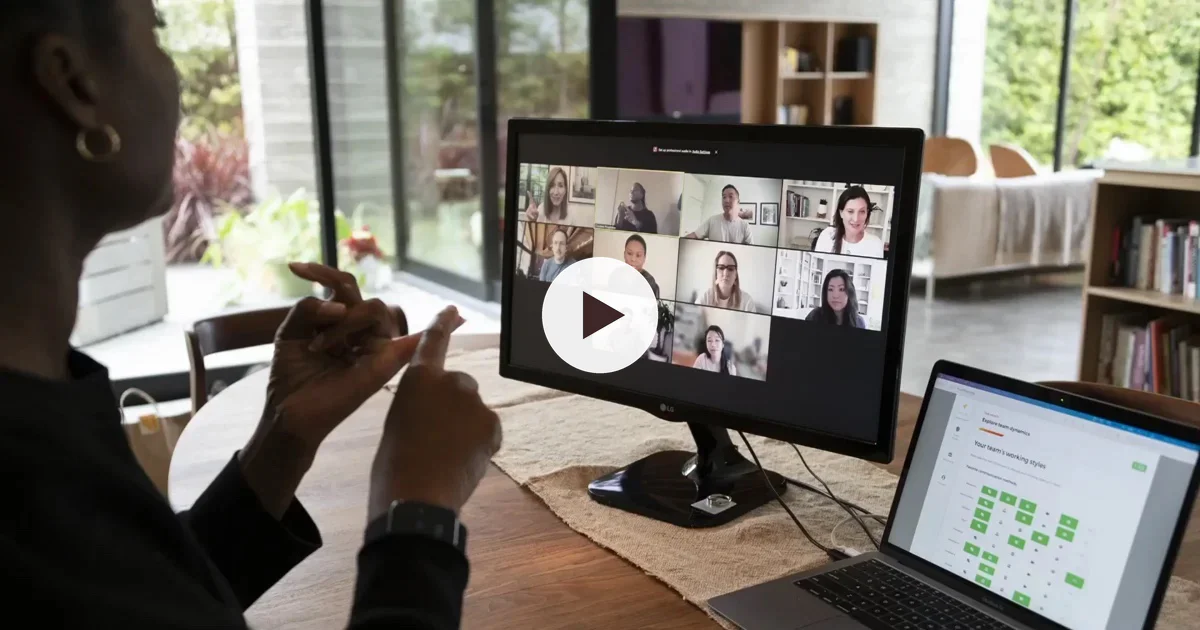


When Blood Cancer United’s CEO made AI a priority, the organization chose not to rush it. As Chief People Officer Orlando Ashworth puts it, it’s not just a tech change, it’s a people change, and managers would be the ones to carry it. Four things stood in the way.
Most employees are out raising money for the mission. Learning new technology and new ways of working on top of that brought the friction and resistance any change does.
Employees wanted to know whether AI was there to replace them, and how their data would be used. Without trust, people won’t use the tools at all, however good they are.
A period of trimming put expert facilitators, executive coaching and in-person programs mostly out of reach. Every dollar had to reach as many managers as possible.
From seasoned leaders to first-time managers, everyone needed one approach that kept them connected to their teams and met them where they were.
Elisa Garn, SVP of Talent Management and Sustainability, treated manager development as a blank slate, with three non-negotiables: simplicity, scalability and adoption. “Manager upskilling and team building are not nice-to-haves,” she says. If people don’t use it, it doesn’t count.
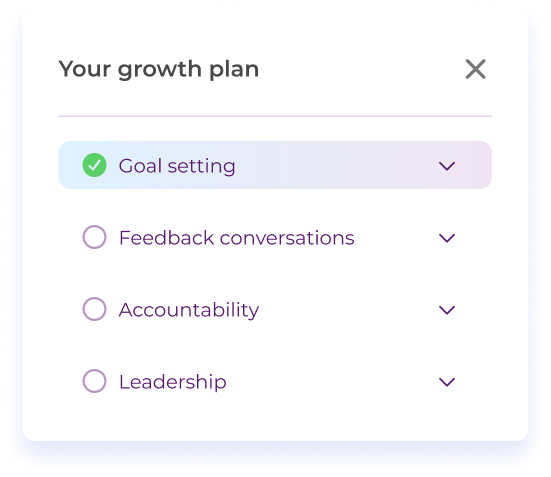
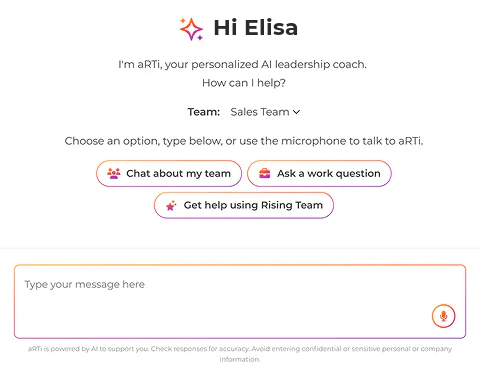
Arti builds each manager a personal growth plan and coaches them through real challenges, in the context of their own team. Prompts for Arti come built into development plans and career conversations, not as a technology initiative of their own: “sneaking the veggies onto the pizza,” as Elisa calls it.
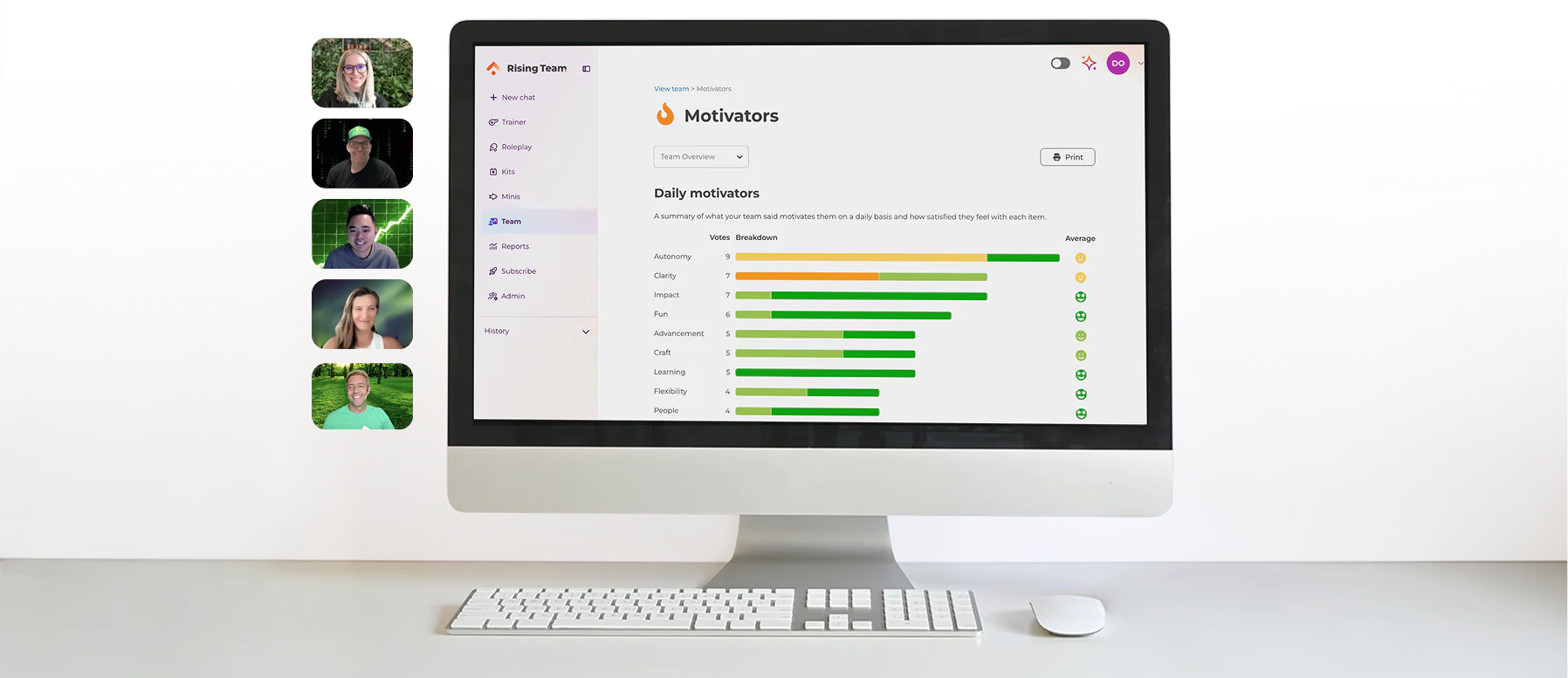
In-person, instructor-led sessions are expensive and hard to scale. Kits are ready-to-run team sessions, with step-by-step guidance, so each manager leads a structured, science-backed conversation with their team, wherever its members are.
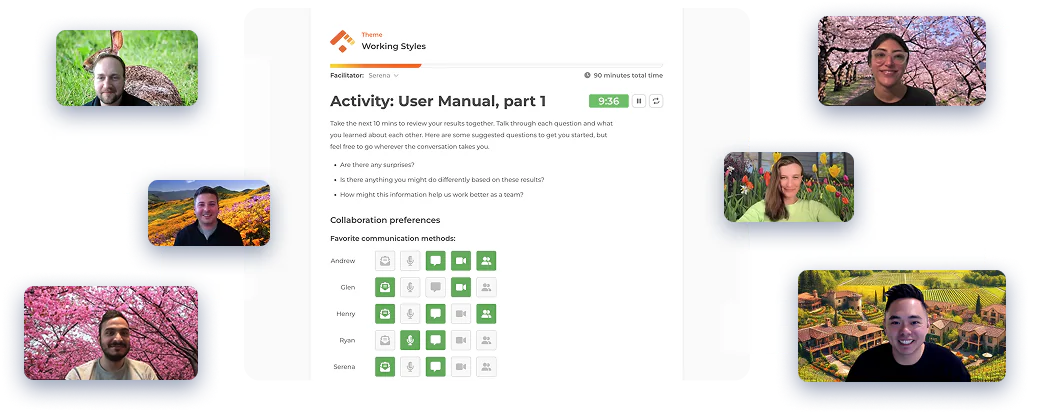
Minis are fifteen-minute team sessions that run inside meetings teams already have. The CEO ran one in an executive team meeting, and Orlando runs one in his monthly director meeting.
The HR team, already a person down, braced for a long rollout. The call with the implementation team brought “an audible sigh of relief”: it took a few weeks, at a pace Blood Cancer United set so it could meet with each group first.

Elisa needed a skip-level with an employee she rarely met. Would they prefer a formal conversation or an informal one? Should she bring an agenda? Her teams had been running Rising Team sessions together, so Arti had the context to help. She asked Arti how to approach the conversation, and which points would matter most to that person.
The conversation stayed on track and on what mattered to them. And that understanding doesn’t live only in Elisa’s memory: a new leader could get to know that person as quickly as it took her months to.
Afterwards, the employee told her it was some of the most valuable thirty minutes they’d had in a month.
It worked because Blood Cancer United treated AI as a change in how people
work together, and put the people closest to each employee, their managers,
at the center of it.

The CEO and board see good managers as the foundation of an employer of choice, and the CEO and Chief People Officer use Rising Team with their own teams, so everyone can see it’s a priority.
Managers have the closest relationship with each employee. With Arti coaching each of them on the why and what’s possible, adoption comes through goals and everyday conversations, not HR mandates.
The sessions make room for the vulnerability that builds trust in both directions, and what teams share is used to help them, in ways they know about.
Teams that once would have looked for a consultant they couldn’t budget for now run a kit led by their own department leader, and the requests that reach HR are about growth, not conflict.
See how Rising Team helps people leaders build trust, equip every manager, and keep AI transformation human-centered.